

January marks Glaucoma Awareness Month, a time dedicated to educating people about one of the leading causes of preventable vision loss. Glaucoma is often called the “silent thief of sight” because it usually develops slowly and without noticeable symptoms. Many people don’t realize anything is wrong until vision has already been affected, which is why awareness and early detection matter so much.
What Exactly Is Glaucoma?
Glaucoma is a group of eye conditions that damage the optic nerve, usually due to increased pressure inside the eye. Over time, this pressure can affect peripheral vision and, if left untreated, may lead to permanent vision loss.
The tricky part is that glaucoma often progresses quietly. You can feel perfectly fine and still be at risk, which is why regular eye exams are essential.
Who Should Be Paying Attention?
While anyone can develop glaucoma, certain groups have a higher risk (1):
- Adults over 40
- People with a family history of glaucoma
- Individuals with are of African, Hispanic, or Asian heritage
- Individuals with diabetes, migraines, or high blood pressure
- Those who experience chronic eye pressure issues
- People who have had eye injuries or long‑term steroid use
Even if you don’t fall into these categories, it’s still smart to stay proactive about your eye health.
Why Early Detection Matters
Glaucoma can’t be reversed, but it can be managed. When caught early, treatments can slow or even stop progression (2). That’s why eye doctors recommend comprehensive eye exams every 1–2 years, especially as you get older.
A simple pressure test and optic nerve check can make all the difference.
Everyday Habits That Support Eye Health
While nothing replaces professional care, there are small daily habits that help support long‑term eye wellness:
- Take breaks from screens to reduce strain
- Wear sunglasses to protect against UV damage
- Maintain a balanced diet rich in antioxidants
- Stay active to support healthy blood flow
- Keep chronic conditions like diabetes under control
- Take an eye health supplement
Your eyes work hard for you every day — giving them a little extra attention goes a long way.
Eyesyl: The Recommended Eye Health Supplement
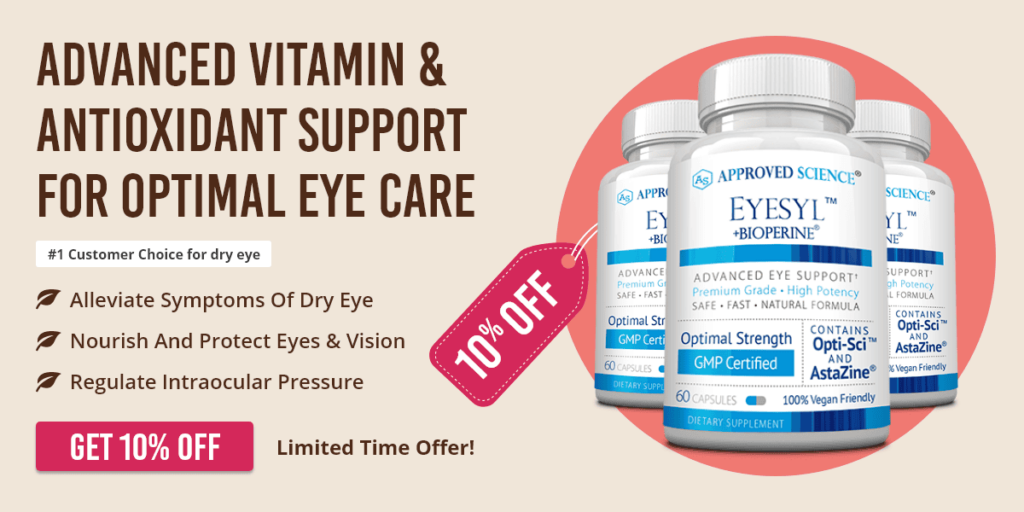
While many eye vitamins focus only on the macula, Eyesyl offers a complete approach to nourish the entire eye. It stands out by including a Vitamin B-Complex to support optic nerve health (3) and Taurine that helps to regulate the water balance and pressure inside the eyes as well as protect the retina (4). This makes it uniquely suited for those concerned about maintaining healthy eye function as they age.
To fight daily stress and oxidative damage, Eyesyl uses Astaxanthin, a powerful antioxidant sourced from natural micro-algae that is far stronger than Vitamin E. To ensure maximum absorption, the formula includes Bioperine. This combination makes it a smart and proactive choice for protecting your vision for the long term.
>>>Click Here to Learn More About Eyesyl
The Bottom Line
Glaucoma Awareness Month is a reminder that your vision deserves attention before problems arise. Schedule an eye exam, learn your risk factors, and stay mindful of any changes in your sight. Early action is the best protection.
Your eyes are irreplaceable; taking care of them today helps protect your vision for tomorrow.