

The scale is perhaps the most dishonest metric in health. You can lose ten pounds of fat and gain ten pounds of muscle, and the scale will tell you that “nothing happened.” In reality, your entire internal chemistry has undergone a massive upgrade.
Here is the science behind the paradox of why adding mass is the most efficient way to lose it.
1. Why More Muscle Helps You Burn More Fat All Day Long
Your Resting Metabolic Rate (RMR) reflects how many calories your body burns to sustain essential functions at rest, and muscle contributes significantly to that demand. Fat tissue serves mainly as energy storage and requires very little energy to maintain, making it metabolically quiet. Muscle tissue is different: it’s biologically active and constantly uses oxygen and nutrients even when you’re resting (1). When you build muscle, you increase the amount of energy your body uses around the clock, raising your RMR and increasing daily calorie expenditure even without intentional activity.
2. The Real Reason You Look Slimmer Even When the Scale Doesn’t Change
“Toning” isn’t a separate biological process from bulking up — it’s simply the combination of building a small amount of muscle and reducing the fat that covers it. When muscle becomes slightly larger and body fat becomes slightly lower, the underlying muscle looks more defined. In other words, what people call “tone” is just visible muscle created through modest muscle growth plus lower body‑fat levels.
And here’s where the visual paradox comes in: muscle is significantly more dense than fat. Five pounds of muscle occupies far less space than five pounds of fat (2). This is why people who start strength training often find that their clothes fit better and their waistline shrinks, even if the number on the scale hasn’t budged. You aren’t “bulking up”; you’re re‑shaping and compressing your body composition.
3. The Hidden Way Muscle Prevents Fat Storage
One of the most overlooked benefits of building muscle is how dramatically it improves your body’s ability to manage blood sugar. Muscle tissue is highly responsive to insulin, meaning it helps clear sugar from the bloodstream more efficiently and with less hormonal effort. When your muscles are more sensitive to insulin, your body doesn’t need to release as much of it — and lower, steadier insulin levels make it far less likely that excess energy will be stored as fat (3).
In practical terms, more muscle means smoother energy throughout the day, fewer spikes and crashes, and a metabolism that handles food with far greater precision. By increasing lean mass, you’re strengthening the entire regulatory system that determines whether calories are burned or stored.
4. Strength Training Burns Calories Long After the Workout Ends
Strength training doesn’t just change your metabolism at rest — it also elevates it for hours after you finish working out. This extended rise in energy use, often called the “afterburn effect,” reflects the extra work your body has to do to repair muscle fibers, restore fuel stores, and return everything to baseline. Because these recovery processes are metabolically demanding, they keep your body burning more calories long after the workout is over. Over time, and especially if you’re counting calories, those extra calories burned after exercise add up (4).
Cardio does raise your metabolism too, but mostly while you’re doing it. Once your heart rate settles, the effect tapers off quickly. Resistance training is different: the recovery itself is labor‑intensive, and that prolonged repair window creates a meaningful boost in daily energy expenditure. In other words, building muscle doesn’t just help you burn more at rest — it helps you burn more after the work is done.
Support Your Training With the Nutrients That Help You Get Leaner
Taken together, these four mechanisms show that building muscle isn’t antithetical to your weight‑loss goals. In fact, it’s one of the most reliable ways to improve metabolic health and shift your body composition in the direction you want. Strength training gives your body more active tissue, more stability, and more post‑exercise momentum. But building and maintaining that tissue is a biological process, and like any process, it depends on having the right inputs.
When you’re doing strength training, including resistance exercises, it’s important to get enough protein to support muscle repair and growth. But protein alone isn’t the whole story. Your body also relies on specific nutrients that influence recovery, energy production, inflammation, and the rate at which new muscle tissue can be built. This is where targeted, research‑backed supplementation can make a meaningful difference — not as shortcuts, but as support systems for the work your body is already doing.
Four supplements in particular stand out for their ability to enhance muscle development, improve recovery, and reinforce the metabolic advantages of strength training: HMB, creatine, omega‑3 fatty acids, and magnesium.
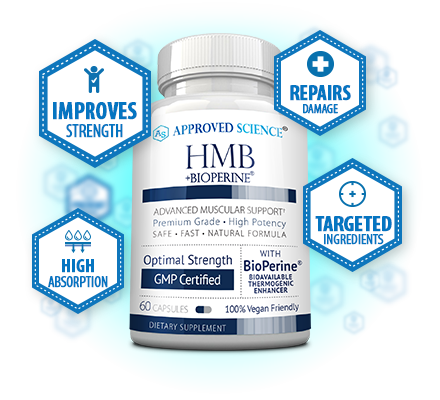
 HMB: Keep the Muscle That Keeps You Lean
HMB is one of the key triggers for muscle protein synthesis. Its primary role is to reduce muscle breakdown, especially during periods of intense training, calorie deficits, or when someone is new to strength training. By minimizing the rate at which muscle tissue is lost, HMB helps ensure that more of your training effort translates into actual gains. It’s particularly valuable for beginners, people returning after a break, or anyone increasing training volume (5,6).
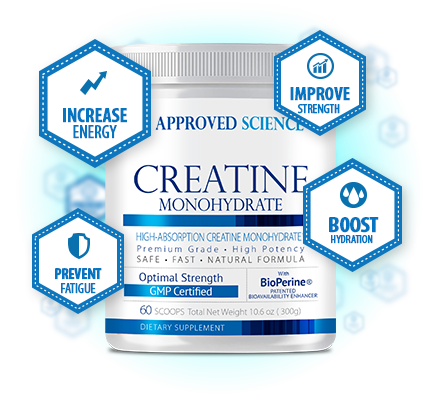
Creatine: Increasing Strength, Power, and Lean Mass
Creatine is one of the most researched supplements in the world, and for good reason. It increases the availability of phosphocreatine in your muscles, which your body uses to regenerate ATP — the immediate fuel for short, intense bursts of effort. The result is greater strength, more reps, and improved training quality, all of which contribute to increased muscle mass over time. Creatine also draws water into muscle cells, which can increase the number on the scale but creates a more hydrated environment that supports growth and recovery. For anyone doing resistance training, it’s a foundational supplement (7,8,9).
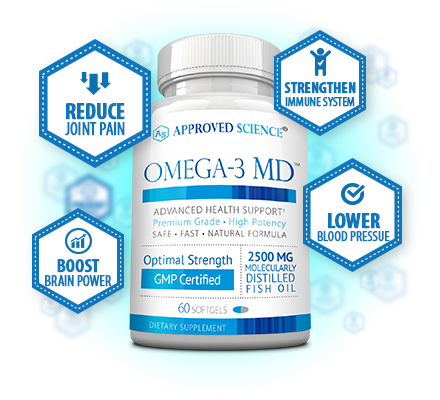
Omega‑3 Fatty Acids: Make Training Easier and More Comfortable
Omega‑3 fatty acids (EPA and DHA) are best known for their cardiovascular benefits, but they also play a meaningful role in muscle health. They help reduce inflammation, which can improve recovery between workouts (10). Omega‑3s also support joint health — an underrated but essential factor for consistent training. When your body recovers more efficiently, you can train more effectively.
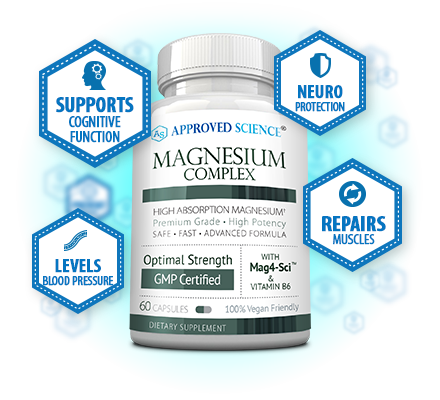
Magnesium: The Recovery Mineral Your Muscles Depend On
Magnesium is involved in more than 300 biochemical reactions in the body, including those related to energy production, muscle contraction, and nervous system regulation. Many people don’t realize that their diets don’t provide enough magnesium and they experience fatigue, muscle cramps, and impaired recovery. Adequate magnesium helps your muscles relax after contracting, supports deeper sleep, and stabilizes energy levels. These are all crucial for building and maintaining lean mass. It’s a quiet but powerful player in the muscle‑building process (11,12).
The Bottom Line
If your goal is to lose weight or slim down, building muscle may feel counterintuitive, but it’s one of the most effective strategies for helping you get results. Muscle doesn’t just change how your body looks; it changes how your body works. It burns more energy at rest, stabilizes blood sugar, improves hormonal balance, and makes every calorie you eat more likely to be used rather than stored. That’s why people who strength train often see their shape change before the scale does.
Fat loss isn’t just about eating fewer calories or moving more — though both are important. It’s about creating a body that naturally burns more, handles food more efficiently, and recovers more effectively. Strength training helps you do that. And when you support that training with the right nutrients, you make the entire process smoother, healthier, and more sustainable.
If you’re ready to support your fat‑loss journey with efficiency, explore the science‑backed formulas from Approved Science. HMB helps maintain muscles, Creatine energizes the muscles, Omega-3 fights inflammation, and Magnesium supports muscle function. These supplements are designed to help you build and maintain the muscle that makes healthy, sustainable weight loss possible.
A stronger body is a more efficient body — and that’s the real secret to lasting fat loss.
What to read next: