

For too long, brain fog has been treated as a vague byproduct of stress or dismissed as being “all in your head.” This perspective often leaves people trying to think their way out of a physiological jam, leading to frustration and shame. However, as research continues to emerge, we are gaining a clearer picture of just how interlinked the mind and body truly are.
The reality is that for many people, memory and focus issues start in the body, not the mind. If your brain feels like it’s running on a 1% battery, it’s rarely because you aren’t trying hard enough. It is likely because your biological foundation is struggling to meet the demands of your daily life.
What Is Brain Fog?
In clinical circles, “brain fog” isn’t just a colloquial term for being tired. According to an article in BMC Public Health, “Brain fog is characterized by a slowing of thought and processing, difficulties remembering, slowing of responses, and communication difficulties, and is experienced across the population” (1).
In other words, brain fog is essentially mental fatigue. It is not a standalone disease, but rather a biological signal that your cognitive processing has slowed down (2). This phenomenon affects approximately 28% of adults, with data showing higher rates in women and older populations. If you are experiencing the following, you are likely dealing with this physiological slowdown (2):
- Word-Finding Struggles: Difficulty pulling the right word during a conversation.
- The “Lost” Train of Thought: Forgetting what you were saying mid-sentence.
- Reduced Processing Speed: A persistent feeling that your mind is working “more slowly” than it used to.
What Causes Brain Fog?
Brain fog is not a “one size fits all” condition; it has several different causes depending on the individual (3). As we enter our 50s and 60s, the brain undergoes 4 specific physical changes that can cause these “cloudy” feelings (2):
- Reduced Circulation: Blood flow to the brain naturally decreases, meaning it takes longer for oxygen to reach brain cells.
- Inefficient Cellular Communication: The pathways that brain cells (neurons) use to talk to each other become less efficient, slowing down how fast you can recall information.
- Changes in Brain Structure: Certain regions of the brain responsible for memory can slightly shrink over time.
- Systemic Inflammation: A natural increase in internal irritation or “swelling” can interfere with clear thinking.
The Estrogen Factor: Why Women Are At Higher Risk
For women, the cause of brain fog is often directly tied to hormonal shifts. Estrogen is not just a reproductive hormone; it is a neuroprotective agent. Its physical job is to keep brain cells healthy and functioning correctly (4).
During the menopausal transition, as ovarian function decreases, estrogen levels drop (4). When the brain loses this “protector,” it can lead to subtle but noticeable changes in how we think, learn, and remember. This is the primary reason why cognitive complaints are significantly more common in women approaching or going through menopause (4).
The Difference Between Typical Aging And Serious Cognitive Decline
Distinguishing between typical age-related changes and more serious cognitive decline is essential for taking the right next steps*.
*This post is intended for information purposes and should not be taken as medical advise. If you suffer from brain fog, consult with your doctor.
| Category | Indicators |
| Typical Brain Fog | Temporary: It is typically mild and comes and goes. While frustrating, it does not stop you from completing chores, working, or socializing (2). |
| Serious Impairment | Progressive: Conditions like Alzheimer’s are not temporary. They get worse over time and interfere with your ability to function, such as forgetting how to get home or being unable to manage finances (2). |
The Red Flag: If your brain fog lasts for several weeks, increases in severity, or starts making it difficult to maintain your quality of life, it is time for a professional medical evaluation (2).
How To Combat Brain Fog And Support Memory
When the causes are physiological, the solutions must be as well. Current science suggests a multi-pronged approach, including “non-pharmacological interventions such as physical activity or exercise, diet, cognitive rehabilitation (i.e., ‘brain training’), and psychological treatment, as well as pharmacological interventions” (1).
UCLA Health emphasizes that lifestyle changes are the most effective way to “treat” the biological causes of fog. A study of 3,000 adults found that practicing healthy habits (like a Mediterranean diet, regular exercise, and not smoking) could lower the risk of Alzheimer’s by 60% (2).
Key Physical Supports: (2)
- Nutrition: Address vitamin and mineral deficiencies, specifically B12 and Vitamin D, which are critical for nerve health.
- Hydration: Your brain requires water to maintain its delicate chemical balance; even mild dehydration causes brain fog.
- Hormonal Health: Actively managing changes related to menopause or thyroid disease can stabilize cognitive function.
- Social Connection: Engaging with others provides the mental stimulation needed to keep brain pathways active.
Approved Science Supplements For Fighting Brain Fog
Addressing brain fog requires different tools depending on the underlying cause. The clinical-grade formulations discussed below are designed to support your biological foundation whether your brain needs nutritional support or your hormones need a nudge. Before we get to the supplements themselves, it’s important to remember that you should always consult with your doctor before starting any supplement regimen.
1. Neurexil™
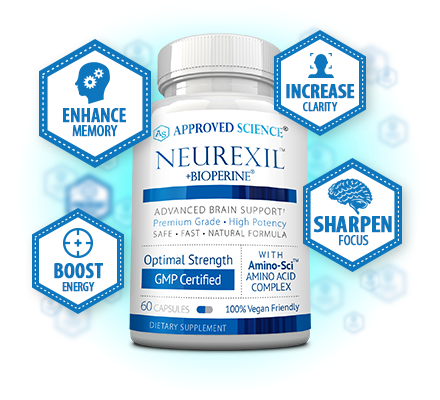
Designed with the nutrients your brain loves for supporting cognitive clarity, memory, and focus. It provides essential B vitamins to support healthy blood for oxygenation and energy production in the brain. Neurexil also features calming and cognition‑supportive compounds like L‑theanine, GABA, and Bacopa monnieri, which work together to promote mental clarity and stress resilience. These ingredients help support balanced neurotransmitter activity, smoother focus, and a more energized, clear‑thinking state throughout the day. Here’s what customers have to say about Neurexil (5):
“The brain booster has allowed me to focus much better at work. . . .Including reducing brain fog” – Sheri Remy
“I find that my memory recall is sharper when taking Neurexil twice a day!“- Karen
>>> Learn more, shop Neurexil, and start thinking clearer!
2. Estrobelle™:

Formulated specifically for the menopausal transition. Estrobelle is a topical cream that focuses on stabilizing the hormonal shifts that lead to both physical hot flashes and the resulting cognitive clouds. It includes sources of phytoestrogens such as Soy Bean Extract, Linseed, and Clary Sage Oil to mimic the roles of estrogen and promote balance. Customers have enjoyed relief from menopausal symptoms when using Estrobelle for at least a month. One reviewer commented that (6):
“I’ve been using this product since middle of June 2023. It works! My fifty seven year old menopausal body is noticing positive results from using the cream nightly. I would recommend giving this product a try and although you may not feel immediate results you will most likely over time.” – Jacqueline G.
>>> Learn more, shop Estrobelle, and get menopause relief!
3. Fibroprin™:
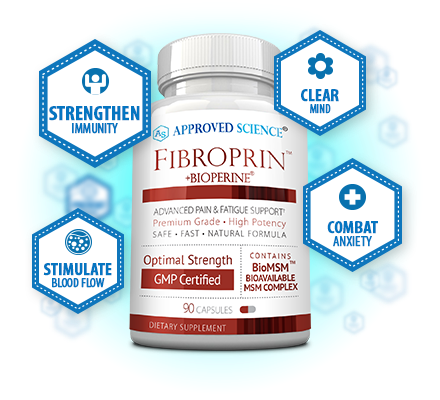
Targeted for those whose mental clarity is compromised by the physical discomfort and systemic inflammation of fibromyalgia. By addressing the internal irritation, Fibroprin helps reduce the physical stressors that drain cognitive energy, making it an essential tool for those dealing with the specific type of mental fatigue often triggered by chronic inflammation. In addition to pain-relieving ingredients, Fibroprin features Bacopa monnieri which supports memory and clear thinking. One anonymous customer praised the product saying (7):
“I cannot recommend this product any higher! If you have fibromyalgia,this is a must-have. It changed my life. I could barely walk up the stairs until I started taking it. I hope you have the same results!“
>>> Learn more, shop Fibroprin, and think clearer with fibromyalgia support!
Conclusion: Listening to Your Body’s Signal
It is time to stop viewing brain fog as a personal failing or a lack of mental discipline. As the research shows, that persistent “cloudy” feeling is often your body’s way of signaling that its internal systems need attention. Whether you are navigating the transition of menopause or the natural shifts that come with aging, these changes are physical, not just mental.
By shifting your focus from trying harder to supporting your biological foundation, you can take an active role in clearing the fog. When you address the nutritional gaps, manage the internal inflammation, and support your hormonal health, you aren’t just treating a symptom; you are restoring the environment your brain needs to thrive.
At Approved Science®, we believe that mental clarity is an emergent property of a healthy body. When you give your biology the clinical-grade tools it needs to maintain its balance, your sharpest self has the room to resurface.