
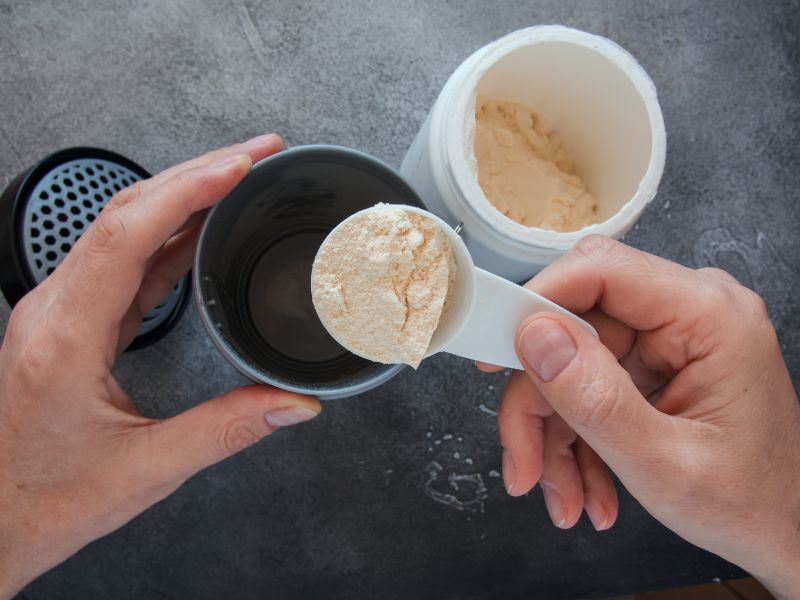
If you traveled back in time to 2015 and opened someone’s kitchen cabinet, finding a tub of creatine meant one thing: someone in that house was trying to get huge. It evoked images of gallon-sized water jugs, chalk-dusted weight rooms, and intense bro-science debates.
Welcome to 2026. The landscape has changed radically.
Today, if you open the pantry of a busy executive, a tired new parent, or an active 65-year-old focusing on longevity, you are just as likely to find a container of creatine monohydrate sitting right next to their multivitamins and omega-3s.
What happened over the last decade? The science caught up to the stigma. We stopped viewing creatine as merely a muscle-builder and started understanding it for what it truly is: essential fuel for cellular energy. The shift is here. In 2026, creatine isn’t just for the gym, it’s for life. Here is why everyone is taking it…
The Great Rebranding: From “Swole” to “Cellular”
For years, creatine was misunderstood. Many feared it was unnatural or akin to steroids. The reality is that creatine is a compound formed from three amino acids. It’s produced naturally in your body and found in foods like red meat and fish. Its primary job is to help replenish ATP (adenosine triphosphate), the energy currency of every single cell in your body. While muscles demand a lot of energy, they aren’t the only organs hungry for creatine.
1. The Ultimate Nootropic? Creatine for Brain Power
This is perhaps the biggest driver of creatine’s mainstream adoption in 2026. Your brain is an energy hog; despite being only 2% of your body weight, it consumes roughly 20% of your daily energy.
When you are fatigued, stressed, or performing complex mental tasks, your brain’s energy reserves deplete rapidly. This manifests as “brain fog,” poor focus, and mental exhaustion.
Research over the last decade has solidified creatine’s role in cognitive function. For example, a 2018 study found that taking creatine seems to improve short-term memory and reasoning capabilities of healthy individuals (1). A later 2024 study found that a high single dose of creatine during sleep deprivation helped maintain brain energy levels, prevented metabolic decline, and improved thinking speed (2). This suggests creatine may temporarily reduce some negative effects of being sleep‑deprived. Even more recently, a small pilot study from 2025 showed that creatine seems to help individuals with Alzheimer’s by safely raising brain creatine levels and showing early signs of cognitive improvement (3). These are just a few of the studies done on creatine in the last few years.
All of this research means that people are now taking creatine to power through afternoon slumps, sharpen memory, and support mental clarity during demanding workdays—no deadlifts required!
2. The Longevity Tool: Aging and Independence
The conversation around aging has shifted from “anti-aging” to “pro-longevity” and “healthspan.” We don’t just want to live longer; we want to live better. As we age, we naturally lose muscle mass and strength, a condition called sarcopenia. This isn’t just about how you look in a swimsuit; it’s about having the strength to carry groceries, climb stairs, and maintain balance to prevent falls.
By 2026, creatine has become a cornerstone supplement for healthy aging. When combined with even moderate resistance training, it helps preserve crucial lean muscle mass in older adults (4,5). Creatine is no longer about building biceps; it’s about building a resilient body for the future.
3. Fueling the Female Body: From Menstruation to Menopause
For decades, women avoided creatine due to the marketing-driven fear of getting “bulky” overnight. (Spoiler: You won’t).
Fortunately, that myth has been thoroughly busted. In 2026, women are among the fastest-growing demographic of creatine users. Why? Because women often juggle immense physical and mental loads by managing careers, households, and families.
In women, creatine’s effects are heavily influenced by hormonal changes. While it can still help women build muscle, the research goes beyond bulking up (6). For example, a study of 4522 participants found that females who got more creatine from food in their diets were less likely to have irregular periods, certain pregnancy-related issues, fewer pelvic infections, and less need for hormone replacement therapy (7). Another research paper, published in Nutrients, noted that for women with lower creatine stores, creatine supplementation can help to reduce the fatigue during the luteal phase of the menstrual cycle (8).
In post-menopausal women, creatine supplementation seems to help counteract the decrease in muscle, bone, and strength caused by lower estrogen levels, and should be paired with resistance training for best results (9). Beyond fertility measures, creatine may also improve mood, brain energy, and cognitive function in women (6).
The Safety Consensus
Perhaps the main element behind creatine’s rise to widespread popularity is its safety profile. It remains one of the most heavily researched nutritional supplements in history.
The old fears of kidney damage in healthy individuals have been debunked by hundreds of studies. The concerns about massive water retention and bloating have also been minimized, largely due to better education on proper dosing (the “loading phase” isn’t necessary for general wellness users) and higher quality manufacturing.
>>> Shop Creatine Monohydrate from Approved Science!
Conclusion
In 2026, creatine has moved beyond the shaker cup and into the morning smoothie, coffee, or even glasses of water. You don’t have to be a bodybuilder to take creatine anymore. If you care about your cognitive sharpness, mood, long-term mobility, and daily energy levels, it’s time to update your view on creatine. This heavily studied supplement is a powerful fuel for a demanding world, and it’s a staple that is here to stay.
Note: Not all creatine is created equal. When choosing a supplement for daily wellness, purity matters. Look for high-quality, pharmaceutical-grade Creatine Monohydrate with transparent testing standards to ensure you are fueling your body with the best. To learn more about choosing and using creatine, give this post a read: The Complete Guide To Choosing A Creatine Supplement.