
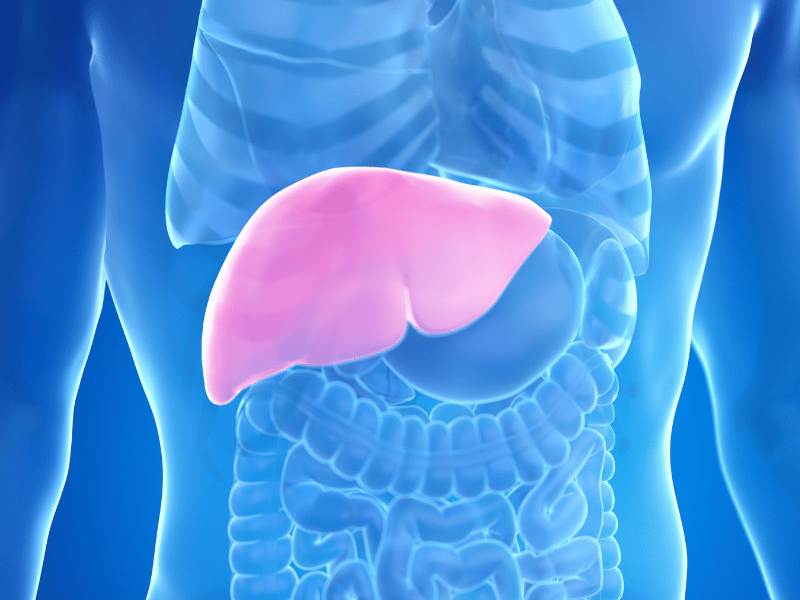
Non-Alcoholic Fatty Liver Disease (NAFLD) has become increasingly common, often developing silently before showing any symptoms. While the name may sound serious, the good news is that this condition can often be managed and even reversed through simple lifestyle changes. By focusing on regular exercise, a balanced diet, and targeted nutritional support, you can help your liver function more efficiently and protect it from long-term damage. In this post, we’ll explore practical steps to improve liver health and the role that certain supplements can play in supporting this vital organ.
Exercise To Burn Fat
You may have heard a thousand times that diet and exercise are the keys to managing this condition or that condition, but it’s still true. Exercise and a calorie deficit lead to burning fat, which is especially beneficial for this condition due to the buildup of fat in the liver. A Penn State University study shows that 150 minutes of moderate to intense aerobic activity per week has a significant and positive effect on liver fat (1). The simple lifestyle change of getting more daily activity and meeting the 150 minute standard leads to a reduction in liver fat by 30% or even more.
Don’t be daunted by the number 150! It’s really only two and half hours. That means only half an hour of exercise 5 days a week. Plus, exercise doesn’t have to mean hitting the gym, it can be as simple as going for a brisk walk. If you’re not already meeting the recommended “dosage” for exercise, this is your invitation to start – your whole body (liver included) will thank you.
Be Mindful About What You Drink
What you drink is also part of your diet and can positively or negatively affect your health. For example, coffee protects the liver (2) but alcohol kills liver cells (3). Research showing that drinking coffee can help protect the liver has been around for over ten years (2). It is believed that many of coffee’s liver-protective benefits come from its caffeine content but that there are some benefits that are not caused by the caffeine. Green tea may also be a smart choice if you’re dealing with fatty liver disease. Studies have shown that green tea extract helps to reduce stored body fat, decrease appetite, improve sugar and fat metabolism, and protect the liver from damage caused by inflammation and stress (4).
Cut Out (Or Significantly Reduce) Added Sugars
When you eat sugary foods, especially added sugars like in soda, candy, and baked goods, your body breaks them down into glucose and fructose. Unlike glucose, fructose is processed only in the liver (5). If you eat too much, your liver gets overwhelmed and starts turning the extra sugar into fat. This fat doesn’t get used right away. Instead, it accumulates inside liver cells, leading to non-alcoholic fatty liver disease (NAFLD) (5). Quitting sugar (or significantly reducing intake) stops this process at the beginning and allows your liver the respite it needs to starting getting rid of the accumulated fat instead of storing more.
>>>Get 5 Delicious Low Sugar Breakfast Ideas
Monitor Your Cholesterol Intake
Sugar isn’t the only thing you have to worry about in your food when battling non-alcoholic fatty liver disease. Cholesterol imbalance may also be a factor causing NAFLD (6). When your liver can’t get rid of cholesterol fats quickly enough, that cholesterol builds up in the liver cells and can cause fatty liver, inflammation, and scarring. Limiting your intake of saturated and trans fats as well as taking medication or a cholesterol supplement can help lower cholesterol levels and thereby decrease fat in the liver (6).
Ask Your Doctor About Supplements
Certain ingredients have been found to be effective for reducing fatty liver and promoting overall liver health. Here are some of the top recommended ingredients for liver health:
Omega-3: Even though these acids are fatty, they actually lower liver fat in cases of NAFLD (7,8,9). This is because individuals with NAFLD have high levels of saturated and monosaturated fats but Omega-3 is a polyunsaturated fat.
Milk Thistle: This herb has traditionally been used for liver health and research supports its usage. For example, an 8-week study on the effects of Silymarin (the active compound in milk thistle) reported that it helped improve liver health in severely obese patients with fatty liver disease (10). After just eight weeks, their liver scans and enzyme levels got better and there were no side effects.
Artichoke: Artichoke extract has been shown to reduce inflammation and cell death in the liver (11,12). One study reported that artichoke extract not only improved liver health scores but also lowered cholesterol and triglycerides (13).
Choline: Choline plays a central role in fat metabolism in the liver (14) and deficiency of this mineral has been linked to the development of fatty liver disease (15,16).
L-Glutathione: Glutathione (GSH) is a powerful antioxidant that may help reduce liver damage and oxidative stress in people with non-alcoholic fatty liver disease (NAFLD). A review of recent studies shows it can improve liver enzyme levels, but more research is needed to confirm its long-term benefits for fatty liver disease (17).
While these ingredients can be purchased as stand-alone supplements, we highly recommend Liversyl as a comprehensive formula combining key ingredients for combating fatty liver and supporting overall liver health – once you confirm with your doctor that Liversyl is an option for you.
Conclusion
If you’ve developed non-alcoholic fatty liver disease, it doesn’t have to be a lifetime diagnosis. Making the right decisions when it comes to your diet and lifestyle can have significant effects. Today’s the day to start making a change and living a healthier life. Our top recommendations are scheduling exercise into your day, feeling good about the coffee or green tea you drink, cutting back on sugars and unhealthy fats, and talking to your doctor about which supplement is best for your liver. From all of us at Approved Science, we wish you success on your journey to a healthier liver and a healthier life!