

Picture this: You’ve had a long day. Your mind is racing, your body feels tense, and you just want to unwind. So you pour a glass of wine, crack open a beer, or mix a cocktail, not necessarily for the taste, but for the feeling. That sense of calm. That soft mental exhale.
But what if that craving isn’t really about alcohol at all? What if your brain is actually asking for something deeper, for something it’s missing?
That “something” might be GABA.
What Is GABA, and Why Does It Matter?
GABA (gamma-aminobutyric acid) is your brain’s primary inhibitory neurotransmitter. In simple terms, it’s the chemical that helps you slow down, relax, and feel safe. It counterbalances excitatory signals like glutamate that keeps you wired and alert (1). In this way, GABA helps you stay calm under pressure and sleep soundly at night.
When GABA levels are healthy, you feel:
- Grounded
- Focused
- Emotionally regulated
- Less reactive to stress
But when GABA is low because of chronic stress, poor sleep, or substance use, you may feel:
- Anxious
- Restless
- Overstimulated
- Prone to cravings and impulsive behavior
What Does Alcohol Have To Do With GABA?
When you drink alcohol, it taps into your brain’s calming system by boosting the activity of something called GABA-A receptors (2). These receptors help slow things down mentally and physically. That’s why alcohol can make you feel relaxed, sleepy, or mentally quiet. In the moment, it mimics the effects of GABA, your brain’s natural chill-out chemical, giving you that temporary sense of ease.
The Downside: GABA Disruption and the Addiction Cycle
Here’s where things get complicated. When alcohol is used regularly, the brain begins to slow down its natural GABA system (2). In other words, it makes fewer GABA receptors, produces less GABA, and becomes more sensitive to stress and stimulation. This can create a cycle that’s hard to break:
- You drink to feel calm.
- Your brain adapts by lowering GABA activity.
- You feel more anxious and agitated when sober.
- You crave alcohol again to restore that calm.
This craving is a key driver of alcohol dependence and withdrawal symptoms, which can include:
- Tremors
- Insomnia
- Panic attacks
- Irritability
* If you or someone you care about is struggling with alcohol use, please reach out to a qualified healthcare provider or addiction specialist. While GABA support may help, alcohol addiction is a complex medical condition that often requires professional help.
The Shift: Supporting GABA Naturally
Certain lifestyle habits and supplements can help support healthy GABA activity to promote relaxation, focus, and emotional balance. Simple strategies include prioritizing regular sleep, practicing mindfulness or meditation, engaging in moderate exercise, and eating a nutrient-rich diet with foods that support neurotransmitter function.
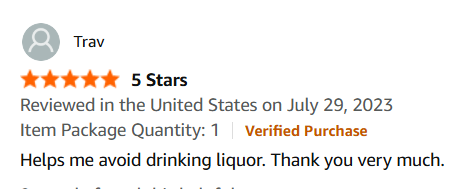
For those looking for targeted support, a supplement like Approved Science GABA+ can be a helpful tool. GABA+ provides key nutrients and ingredients designed to gently support GABA activity in the brain, helping you feel calmer and more centered without the downsides of alcohol. Many people find that combining healthy habits with a supplement can make it easier to manage stress, unwind at the end of the day, and maintain emotional balance.
What Does the Research Say About Oral GABA?
Research shows that taking oral GABA can help with relaxation and sleep, though the effects are usually mild and can vary from person to person. Studies have found that doses around 100–200 mg daily may help people fall asleep faster, spend more time in restful sleep, and feel calmer overall (3). Animal studies suggest it can reduce anxiety-like behaviors and even lower certain stress-related inflammation in the brain (4).
One thing to keep in mind is that GABA doesn’t always cross the blood-brain barrier efficiently, so the effects aren’t always dramatic. Even so, oral GABA is generally well tolerated and can be a gentle way to support the body’s natural calming system. Pairing it with healthy habits like consistent sleep, mindful relaxation practices, and a nutrient-rich diet may make it even more effective.
GABA IS NOT FOR individuals with neurological conditions. This is because altering GABA levels can have unpredictable effects in, for example, epilepsy or mood disorders (5). Consult with your healthcare advisor before starting supplementation.
Supporting Your GABA System Naturally
If you’re looking for a supplement that supports GABA naturally, Approved Science GABA+ is a great product to turn to. It delivers 600 mg of GABA per serving, which is a fairly high and effective dose. On top of that, it includes L‑Arginine, which may help GABA cross the blood‑brain barrier more effectively. To deepen the calming effects, there’s L‑Theanine, an amino acid known for its relaxing properties. Vitamin B6 is included to support your body’s own GABA production. And for better absorption, GABA+ uses BioPerine® (black pepper extract) to boost bioavailability.
This combination means you’re not just supplementing GABA, you’re also helping your brain use it more efficiently and promoting long-term GABA production.
>>>Learn more about Approved Science GABA+
Your Next Step
You don’t have to rely on alcohol to unwind. Your brain’s need for calm is real, and alcohol is only a temporary fix that can make stress, anxiety, and sleepless nights worse over time. Fortunately, you can support your natural calming system and regain balance with a few tweaks to your lifestyle.
If you’re trying Dry January or simply want to break the habit of reaching for a drink to relax, Approved Science GABA+ can be a helpful tool. As a supplement, it is designed to complement your other efforts for supporting your GABA system and help you feel calmer and more centered. Don’t forget to also work on getting quality sleep, exercising, and maintaining a healthy diet. Small, consistent changes add up. You have the power to reclaim your calm and take control of stress — starting today.
>>> Order Approved Science GABA+ Now
Interested in reading more about GABA? Check out our post on why GABA makes you happy.